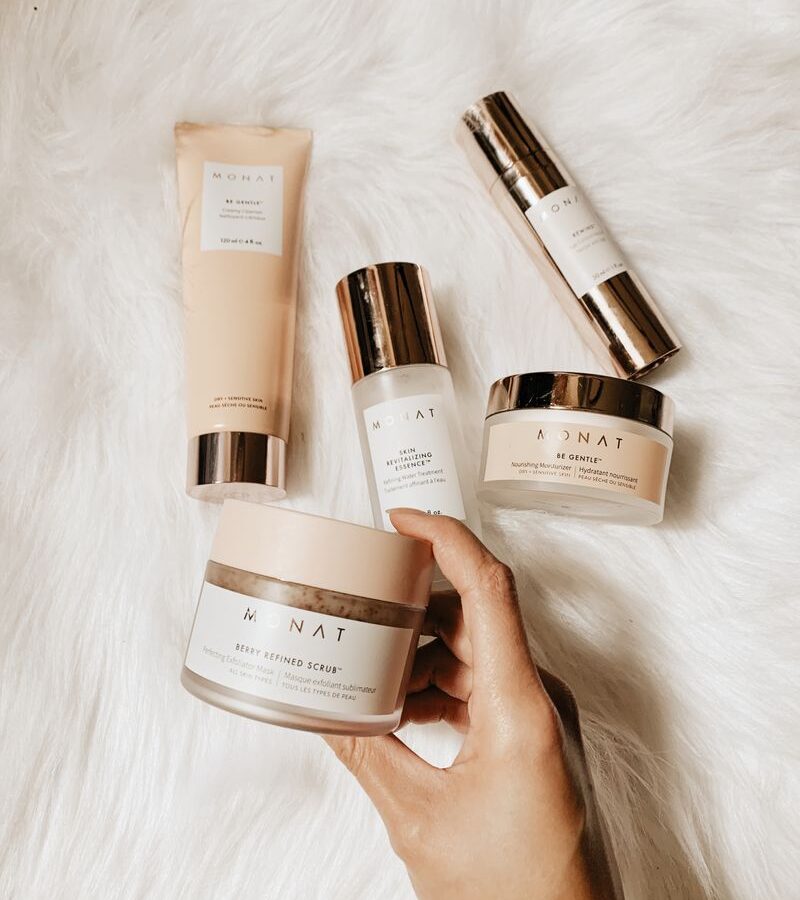
I Thought Moisturizer Was the Enemy
For years I figured my oily skin had it covered. It did not. Here’s what actually happened when I stopped skipping this step — and the moisturizers that survived the experiment.
CeraVe Moisturizing Cream
A simple, trusted everyday moisturizer pick for barrier support and dry skin routines.
Check priceFor a long stretch of my late teens and early twenties, my moisturizer usage looked like this: maybe twice a week, only when my skin felt genuinely uncomfortable, and even then with a sense of guilt — like I was undoing whatever progress my “oil control” cleanser had made earlier that day. My logic was simple and, on its face, not unreasonable: my skin already produced plenty of oil on its own. Adding more moisture seemed like the last thing it needed.
It took me an embarrassingly long time to connect a pretty obvious pattern — the days I felt shiniest by mid-afternoon were almost always the days I hadn’t moisturized that morning. Once I actually looked into why, the explanation made the whole thing feel a little ridiculous in hindsight. This is the moisturizer post I wish someone had handed me back then.
The Logic That Felt Right but Wasn’t
“Oily skin doesn’t need moisturizer” is one of those pieces of advice that sounds like common sense — oil and moisture both sound like “wetness,” so surely having one means you don’t need the other. I believed some version of this for years, and I don’t think I’m unusual in that. The actual relationship between oil production and hydration in skin isn’t really like that at all, but nobody had explained it to me in a way that stuck.
What I didn’t understand was that oil (sebum) and water content in skin are pretty separate things. Skin can be oily on the surface and dehydrated underneath at the same time — and when skin senses it’s losing water faster than it should, one of the ways it can respond is by producing more oil, as a kind of backup barrier. So skipping moisturizer on already-oily skin doesn’t necessarily calm things down. In my case, it seems to have done close to the opposite.
What I Actually Changed
The change itself was almost insultingly simple: I started using a moisturizer every single morning and every single night, without exception, regardless of how my skin looked or felt that day. No “skip it if I feel oily,” no “only when it feels dry.” Every time, twice a day, full stop.
What took longer — and mattered more — was figuring out which moisturizer for which situation, because my first attempt at “just use moisturizer consistently” involved grabbing a rich, thick cream that a friend swore by, and within about a week I had more clogged-looking pores across my chin than I’d had in months. That sent me right back to the “see, moisturizer is the problem” conclusion — except this time I was annoyed enough to actually figure out what had gone wrong, instead of just giving up on the whole idea.
The answer turned out to be texture, not the concept of moisturizing itself. A heavy, occlusive cream designed for very dry skin was sitting on top of my already oil-prone skin and making things worse. Switching to a lightweight gel-cream — same daily habit, completely different formula — removed that problem entirely, and the consistent hydration underneath is what seems to have actually calmed the oiliness down over the following weeks.
The Moisturizers That Actually Earned Their Spot
As with the cleanser and serum posts, this isn’t a ranked “best of” list — it’s what’s survived in my own routine after a fair amount of trial and error, including some fairly clogged-pore-related error.
Neutrogena Hydro Boost Water Gel
This is the one that replaced the heavy cream disaster, and it’s been my daily default ever since. The texture is genuinely unusual the first time you try it — it goes on almost like a gel and seems to “melt” into something more like water as you press it in, with basically zero residue afterward. I was skeptical that something this lightweight could actually be doing much, but it’s the product most directly responsible for the “I stopped needing to blot by midday” change I mentioned earlier. If your skin leans oily or combination and you’ve been avoiding moisturizer for the reasons I used to, this is the texture I’d point to first.
CeraVe Moisturizing Cream
This is the rich one — and to be clear, the problem with my earlier “rich cream disaster” wasn’t that all rich creams are bad, it’s that I was using one on my face when it would have been better suited to drier areas or drier skin types generally. I keep a tub of this around now specifically for my hands and any rough patches on my body, and on the rare occasions my face genuinely feels tight and dry — usually during a cold, dry stretch of winter — I’ll use a small amount on my face too. The distinction that took me a while to get was that “rich” and “for your face, always” aren’t the same thing.
La Roche-Posay Toleriane Double Repair Face Moisturizer
This sits somewhere between the other two in terms of richness, and it’s become my evening moisturizer on most nights — slightly more substantial than the water gel, without tipping into the heaviness that caused issues before. I started using it during a period when my skin felt a bit reactive after introducing a new serum, and it didn’t seem to make anything worse, which at the time felt like a low bar but turned out to matter — it’s stayed in rotation specifically because it’s never been the thing causing a flare-up, even when something else in my routine was.
Morning Versus Night — Does It Actually Need to Be Different?
For a while I used the exact same moisturizer morning and night, on the theory that if it worked, it worked. What changed my mind wasn’t a dramatic before-and-after — it was noticing that the lightweight gel I loved in the morning, layered under SPF and (some days) makeup, sometimes felt like it wasn’t quite enough by the time I went to bed, especially after a day that involved a lot of dry indoor heating or air conditioning.
Now mornings are about something light enough to sit comfortably under sunscreen without that slightly greasy, hard-to-blend feeling a heavier cream can create. Evenings don’t have that constraint — there’s nothing going on top — so a slightly richer formula at night hasn’t caused the same congestion issues the all-day heavy cream did. The skin is also generally in “repair mode” overnight, and giving it a bit more to work with at that point seems to make more sense than loading up in the morning when SPF is doing a lot of the protective work anyway.
Two Habits I Had to Unlearn
Applying moisturizer to bone-dry skin
I used to wait until my face had fully air-dried after cleansing — sometimes several minutes, sometimes while I did something else entirely — before applying moisturizer. Applying it to skin that’s still slightly damp from cleansing (or from a hyaluronic acid serum, if that’s part of the routine) seems to help the moisturizer do more with less product, probably because there’s already some water there for it to help lock in. The practical version of this is just: don’t let your face fully dry before the next step. It’s a small thing, but it’s one of those changes that costs nothing and seems to have made a real difference.
Treating “oily” and “doesn’t need moisture” as the same thing
This is really the whole post in one line, but it’s worth repeating because it’s the belief that cost me the most time: oily skin and dehydrated skin aren’t opposites, and you can absolutely have both at once. The fix wasn’t “use less moisturizer because oily skin” — it was “use the right texture of moisturizer, consistently, regardless of how oily things look on any given day.”
What My Routine Actually Looks Like Now
☀️ Mornings
Cleanser, vitamin C serum, then the Neutrogena Hydro Boost Water Gel while skin is still slightly damp, wait a minute, then SPF. Light enough that the sunscreen goes on smoothly afterward — no pilling, no greasy feeling by midday.
🌙 Evenings
Cleanser, hyaluronic acid serum on damp skin, niacinamide or retinol depending on the night, then La Roche-Posay Toleriane Double Repair. The CeraVe rich cream only comes out for hands, body, or the occasional dry-winter face emergency.
Questions I Get Asked a Lot
Does oily skin really need a moisturizer every single day?
Based on what I went through, yes — and honestly, “every single day” was the part of the change that mattered more than which specific product I used. The texture matters for comfort and for avoiding clogged pores, but the consistency seems to be what actually calmed the oiliness down over time.
How do I know if my moisturizer is too heavy for my skin?
For me, the signs were small bumps and slightly clogged-looking pores appearing within a week or two of switching to something richer — not dramatic breakouts, just a textural change that I initially didn’t connect to the new product because it felt like such a “boring” change to make. If your skin’s texture shifts for the worse not long after switching moisturizers, that’s worth paying attention to before assuming it’s something else in your routine.
Should I use a different moisturizer in summer versus winter?
I didn’t used to, and now I sort of do, though less rigidly than it might sound — the water gel stays in year-round, but during a stretch of particularly dry winter weather I’ve layered the richer La Roche-Posay one on top of it at night, or occasionally used the CeraVe cream on my face for a few days until things felt more normal. I wouldn’t say I have a strict “winter moisturizer” and “summer moisturizer” — it’s more that I now actually notice when my skin wants something different, instead of using the exact same thing regardless.
Is it bad to apply moisturizer over sunscreen, or does the order matter?
In my routine, moisturizer always goes on before sunscreen, not after — sunscreen is meant to sit on top as the final layer. I made this mistake a few times early on, applying moisturizer last because it was the product I reached for habitually, and it does seem to affect how evenly the sunscreen sits afterward. Moisturizer, wait a bit, then SPF, has been the order that’s worked.
The Actual Takeaway
If you’ve got oily or combination skin and have been quietly skipping moisturizer the way I did — not as a deliberate decision, just as a habit that felt like it made sense — it might be worth testing the opposite for a few weeks. Not a heavy cream, necessarily, but something lightweight, applied consistently, twice a day, no exceptions, no “skip it if I feel oily today.”
The thing that surprised me most wasn’t that moisturizer “worked” in some abstract sense — it’s that the oiliness I’d spent years trying to control by avoiding moisture seemed to respond better to more consistent hydration, not less. I wouldn’t have believed that a few years ago, and I’m not sure I would have believed it without going through the slightly annoying process of figuring it out the hard way.
Featured product pick
Compare price, availability and product details before buying.
Este conteúdo pode conter links de afiliados. Podemos receber comissão por compras qualificadas, sem custo extra para você.