What Actually Causes Acne (It’s Not What Most People Think)
Before any product recommendation makes sense, you need to understand what is actually happening in your skin when a breakout occurs. Because the most common approaches to acne — scrubbing harder, using stronger products, stripping the skin dry — are not just ineffective. They often make acne worse by triggering the exact conditions that drive breakouts.
CeraVe Moisturizing Cream
A simple, trusted everyday moisturizer pick for barrier support and dry skin routines.
Check priceAcne is a disease of the pilosebaceous unit — the structure comprising a hair follicle and its attached sebaceous (oil) gland. Four factors interact to produce a breakout, and they don’t all have to be present simultaneously for acne to develop:
1. Excess Sebum Production
Androgens — hormones including testosterone and DHT — stimulate sebaceous glands to produce more sebum. This is why acne is most common during adolescence (when androgen levels surge), why it often worsens around menstruation, and why hormonal acne in adults tends to cluster around the jaw and chin (where androgen-sensitive sebaceous glands are most concentrated). Sebum itself is not the enemy — it’s a natural lubricant and protective barrier component. Excess sebum becomes problematic when it interacts with the other three factors.
2. Follicular Hyperkeratinization
Normally, dead skin cells are shed from the lining of the follicle and expelled through the pore. In acne-prone skin, this process is dysregulated — cells shed faster than they can be expelled and clump together inside the follicle, forming a plug. This plug, combined with excess sebum, creates the comedone (blackhead or whitehead) that is the foundation of every acne lesion. This is why exfoliating actives — specifically salicylic acid, which is oil-soluble and penetrates inside the follicle — are so important in acne treatment.
3. Cutibacterium acnes (C. acnes)
Formerly known as Propionibacterium acnes, C. acnes is a bacterium that lives naturally in the follicle and feeds on sebum. In a healthy follicle, this relationship is benign. In a clogged follicle with excess sebum, C. acnes proliferates rapidly, producing inflammatory byproducts that trigger the immune response responsible for the redness, swelling and pain of inflammatory acne lesions — papules, pustules, nodules and cysts.
4. Inflammation
Increasingly, research suggests that inflammation may precede the comedone formation rather than simply result from it. Inflammatory markers are present in the follicle before visible breakouts develop, which is why anti-inflammatory ingredients are valuable not just for treating existing lesions but for preventing new ones. It also explains why stress — which elevates cortisol and triggers inflammatory cascades — worsens acne even in people whose diet, skincare routine and hormonal levels haven’t changed.
The Types of Acne — Why One Treatment Doesn’t Fit All
Treating all acne with the same products is one of the most common and most consequential mistakes people make. The type of acne you have determines which active ingredients are appropriate — and using the right one for the wrong type produces no results while potentially worsening the wrong one.
Non-Inflammatory Acne
Open comedones (blackheads): Follicle plugs where the surface remains open, allowing oxidation of the sebum and dead cells — which turns them dark. Not dirt. The dark color is oxidation. Responds to: salicylic acid (dissolves the plug from inside the follicle), retinol/retinoids (normalizes follicular keratinization), AHAs (surface exfoliation).
Closed comedones (whiteheads): Follicle plugs where the surface remains closed. Can remain stable or develop into inflammatory lesions. Responds to: same approach as blackheads, with retinol often being particularly effective.
Milia: Not technically acne — small keratin cysts that form under thin skin, often around the eye area. Don’t respond to standard acne treatments and typically require professional extraction.
Inflammatory Acne
Papules: Red, raised, tender bumps without a visible white center — the inflammatory immune response has begun but the follicle hasn’t ruptured. Responds to: benzoyl peroxide, topical antibiotics, salicylic acid, azelaic acid.
Pustules: Papules with a visible white or yellow center — a collection of neutrophils (white blood cells) fighting the infection. The classic “pimple.” Responds to: benzoyl peroxide, azelaic acid, spot treatments with sulfur or salicylic acid.
Nodules: Large, deep, hard, painful lesions that form when the follicle ruptures deeper in the dermis. Do not squeeze — rupturing them externally spreads the infection deeper. Responds to: prescription-strength retinoids (tretinoin, adapalene), systemic antibiotics, or isotretinoin for severe cases. Over-the-counter spot treatments have limited impact.
Cysts: The most severe form — fluid-filled lesions deep in the dermis that frequently leave permanent scarring. Almost always require medical management: prescription retinoids, antibiotics, hormonal therapies, or isotretinoin. If you’re experiencing regular cystic breakouts, please see a dermatologist. Over-the-counter products are genuinely insufficient for this.
Hormonal Acne
A subset of inflammatory acne driven by androgen fluctuations. Characterized by deep, often cystic breakouts concentrated around the jaw, chin and lower cheeks. Often worsens predictably with the menstrual cycle. Responds poorly to topical-only treatment because the driver is internal. Prescription options — spironolactone (an anti-androgen), combined oral contraceptives with anti-androgenic activity, or hormonal IUDs — address the root cause more effectively than any topical approach. Topical actives remain useful supportively but are not sufficient alone for moderate to severe hormonal acne.
The Ingredients With the Strongest Evidence
Benzoyl Peroxide
The most evidence-backed OTC acne ingredient. Works by releasing oxygen inside the follicle, killing C. acnes bacteria (which are anaerobic — they can’t survive in oxygen). Unlike antibiotics, C. acnes has not developed meaningful resistance to benzoyl peroxide in decades of use — a significant clinical advantage. Available from 2.5% to 10%; 2.5% is as effective as higher concentrations for most people with dramatically less irritation and barrier disruption. Critical to know: benzoyl peroxide bleaches fabric — pillowcases, towels, clothing. Use white towels and consider a white pillowcase when using it.
Salicylic Acid (BHA)
A beta-hydroxy acid that is oil-soluble — meaning it penetrates inside the sebaceous follicle rather than working only on the skin surface like AHAs. Inside the follicle, it dissolves the keratin plugs that form comedones and exfoliates the follicle lining, reducing the abnormal cell shedding that drives comedone formation. Available in OTC products from 0.5% to 2%. Particularly effective for blackheads, whiteheads and mild inflammatory acne. Less effective for severe inflammatory or cystic acne, which requires deeper intervention.
Adapalene (Retinoid)
A third-generation synthetic retinoid — available OTC in the US at 0.1% since 2016 (previously prescription only) and in some other markets. Adapalene works by normalizing follicular keratinization at the molecular level, preventing the formation of new comedones while existing ones are expelled. It also has anti-inflammatory properties independent of its retinoid mechanism. Clinical trials compare adapalene 0.1% favorably to tretinoin 0.025% (a classic prescription retinoid) with significantly less irritation. Requires the same introduction patience as retinol — start slowly, use every other night, expect initial purging.
Azelaic Acid
Underappreciated and underused. Azelaic acid has three simultaneous mechanisms: it kills C. acnes bacteria, it inhibits tyrosinase (reducing post-inflammatory hyperpigmentation alongside active breakouts), and it has anti-inflammatory properties that reduce redness and swelling of existing lesions. At 10% (OTC) it’s effective for mild to moderate acne with the additional benefit of treating the dark marks that breakouts leave behind — which is rare for a single ingredient. At 15-20% (prescription), it’s more effective than many topical antibiotics with no resistance concern. One of the safest options during pregnancy (category B).
Niacinamide
Addresses acne through sebum regulation (reduces sebaceous gland output), anti-inflammatory action (reduces the redness and swelling of inflammatory lesions), and barrier reinforcement (acne-prone skin often has a compromised barrier from both the condition itself and over-treatment). Not as directly anti-acne as benzoyl peroxide or salicylic acid, but an excellent supportive ingredient that makes the rest of your routine more effective and reduces irritation from stronger actives.
Sulfur
One of the oldest acne treatments in existence — used medicinally for skin conditions for centuries. Works by exfoliating the follicle lining, killing C. acnes, and absorbing excess sebum. Particularly effective as a spot treatment for pustules, and one of the few acne ingredients appropriate for sensitive or rosacea-prone skin that can’t tolerate benzoyl peroxide or salicylic acid. The limitation: the smell. Sulfur smells distinctly of eggs, and even well-formulated products retain some of this. Overnight spot treatments minimize the smell exposure window.
The Acne Skincare Routine That Actually Works
Most people with acne over-complicate their routines — layering multiple actives, using harsh scrubs, applying alcohol-based toners — and then wonder why their skin is simultaneously breaking out and irritated. Here is a straightforward, evidence-based framework:
Morning
Cleanser: Gentle, pH-balanced, non-stripping. A harsh morning cleanse removes the natural oils that are already depleted in inflamed skin and triggers compensatory sebum production. Gel or foaming cleanser with a sulfate-free surfactant system.
Treatment serum (optional): Niacinamide in the morning controls sebum throughout the day and reduces inflammation without increasing photosensitivity.
Moisturizer: Non-comedogenic, gel or gel-cream format. Acne-prone skin needs moisture. Skipping moisturizer because skin feels oily is one of the most damaging things you can do — dehydrated skin produces more sebum and heals more slowly.
SPF: Non-negotiable. Many acne treatments (salicylic acid, adapalene, azelaic acid) increase photosensitivity. The post-inflammatory hyperpigmentation that breakouts leave — the dark marks after a pimple heals — is dramatically worsened by UV exposure. An oil-free, non-comedogenic SPF 30+ every morning.
Evening
Cleanser: Same gentle formula, or a cleanser with a low concentration of salicylic acid (0.5-1%) if your skin tolerates it.
Treatment: This is where your primary active goes. Adapalene every other night initially, building to nightly. Benzoyl peroxide if adapalene isn’t addressing bacterial-driven breakouts. Not both simultaneously on the same night — the combination increases irritation without proportionally increasing efficacy. Alternate if using both.
Spot treatment: Benzoyl peroxide 2.5% directly on active pustules after your treatment step. Or an azelaic acid spot treatment if you’re using adapalene as your main treatment and want to address individual lesions simultaneously.
Moisturizer: Slightly richer than morning if your skin is dry from treatments, but still non-comedogenic. CeraVe PM or Neutrogena Hydro Boost are frequently well-tolerated.
What Makes Acne Worse — And What Has No Effect
The acne mythology is extensive. Here’s an honest look at what the evidence actually says:
Things that make acne worse (evidence-supported)
High-glycemic diet: Multiple randomized controlled trials confirm that diets high in rapidly digested carbohydrates (white bread, sugar, processed foods) worsen acne in a meaningful subset of people. The mechanism: high-glycemic foods spike insulin and IGF-1, which stimulate androgen production and sebum output. This doesn’t mean carbohydrates cause acne universally — but if your diet is high in processed carbs and your acne is moderate to severe, dietary modification is worth trying alongside topical treatment.
Dairy: The evidence here is more mixed but suggestive. Skim milk in particular shows the strongest association with acne in observational studies, possibly because of its hormone content and its effect on IGF-1. This is an area where individual response varies considerably — worth eliminating for 8 weeks to assess your personal response if you consume significant amounts.
Stress: Cortisol and other stress hormones stimulate sebaceous glands and drive inflammatory cascades. The relationship between stress and acne flares is physiologically real and well-documented.
Comedogenic ingredients in skincare: Certain ingredients — coconut oil, isopropyl myristate, some silicones — have demonstrated comedogenic potential in some individuals. The comedogenicity rating systems available online are imperfect (they’re often based on rabbit ear assays that don’t translate perfectly to human skin), but for acne-prone skin, choosing specifically non-comedogenic products is a reasonable precaution.
Phone contact with cheek skin: Your phone screen is a documented reservoir of acne-causing bacteria. Regular cleaning with an alcohol wipe and using speakerphone or headphones reduces contamination.
Touching your face: The classic advice exists for good reason. Hands transfer bacteria, irritants, and comedogenic substances to skin, and the mechanical pressure of touching inflamed follicles can rupture them deeper into the dermis.
Things that probably don’t affect acne (despite common belief)
Chocolate specifically: When studies control for the sugar and milk content of chocolate, the chocolate itself shows no independent association with acne.
Not washing your face enough: Acne is not caused by insufficient cleansing. Over-washing damages the barrier and worsens breakouts. Twice daily is the maximum; once daily is often better for sensitive or dry acne-prone skin.
Greasy food touching your skin: Acne is an internal process involving the sebaceous follicle. Grease on the surface of your skin from food doesn’t penetrate into follicles.
The Rankings — 7 Best Acne Products of 2026
Ranked by evidence strength, efficacy across acne types, barrier safety, and practical daily usability. Full position reasoning follows.

Differin Adapalene Gel 0.1%
~$15 · 45g · Retinoid · All acne types · Prevents new breakouts

La Roche-Posay Effaclar Duo+ Acne Treatment
~$30 · 1.35 fl oz · Benzoyl Peroxide 5.5% + LHA · Inflammatory acne

Paula’s Choice CLEAR Regular Strength 2% BHA
~$35 · 4 fl oz · 2% Salicylic Acid · Blackheads & congestion · Fragrance-free

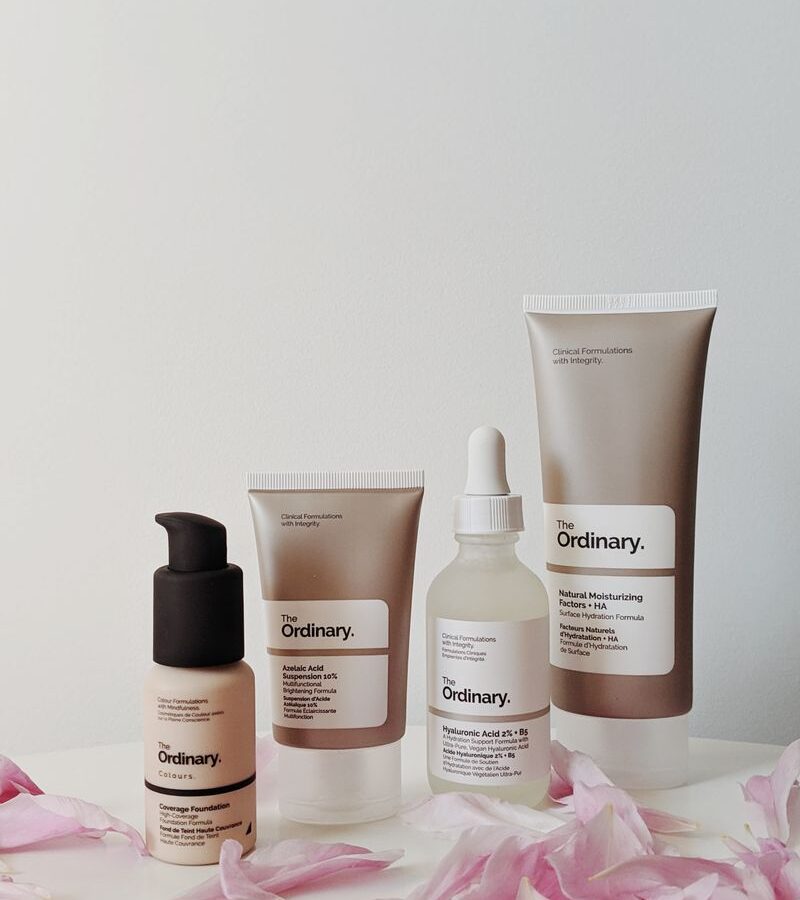
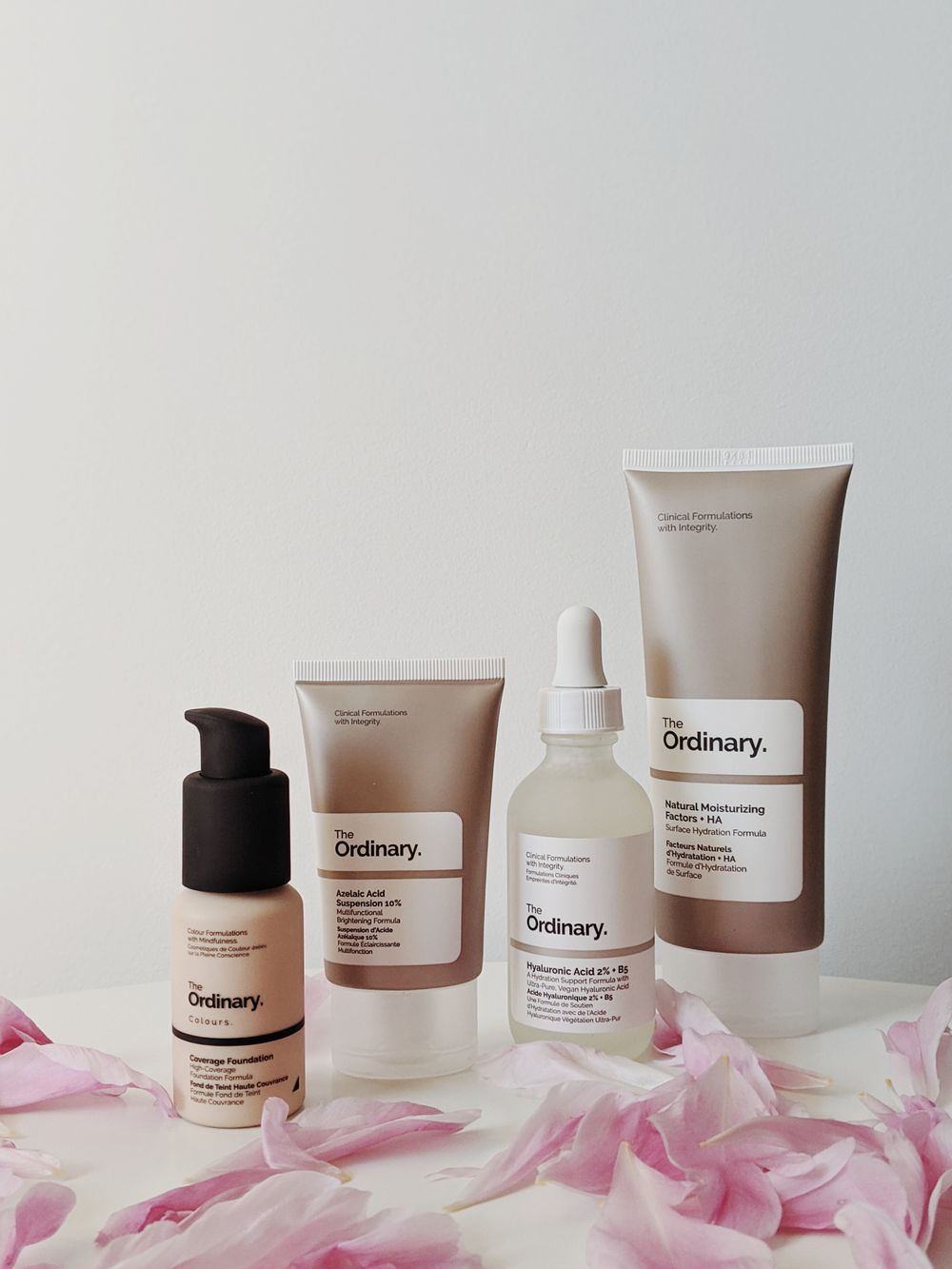
The Ordinary Azelaic Acid Suspension 10%
~$10 · 30ml · Azelaic Acid 10% · Acne + hyperpigmentation · Sensitive skin safe

CeraVe Acne Foaming Cream Cleanser
~$16 · 5 fl oz · 4% Benzoyl Peroxide + Ceramides · Fragrance-free

Neutrogena On-The-Spot Acne Treatment 2.5%
~$9 · 0.75 oz · Benzoyl Peroxide 2.5% · Spot treatment · Fast-acting

Hero Cosmetics Mighty Patch Original
~$13 · 36 patches · Hydrocolloid · Surface pustules · Prevents picking
Why Each Product Ranked Where It Did
🥇 #1 — Differin Adapalene Gel 0.1%
Differin earns the top position for a reason that distinguishes it from every other product in this ranking: it is the only OTC acne treatment that addresses the root cause of acne formation rather than managing existing breakouts. Adapalene normalizes follicular keratinization — the dysregulated cell shedding process that creates comedones — at the molecular level. This means it prevents new breakouts from forming rather than treating ones that have already developed. Every other product in this ranking is reactive; adapalene is preventive.
Until 2016, this ingredient required a prescription. Its OTC availability at 0.1% represents one of the most significant regulatory changes in acne treatment in decades. Clinical trials comparing adapalene 0.1% to tretinoin 0.025% (a classic prescription retinoid) show comparable efficacy with significantly lower irritation — making it genuinely appropriate for OTC use in a way that prescription-strength retinoids are not. The initial purging period — weeks 2-6 where breakouts temporarily worsen as congested follicles are expelled — is real and normal. Persistence through it produces the most sustained, meaningful improvement of any OTC option available.
🥈 #2 — La Roche-Posay Effaclar Duo+
La Roche-Posay Effaclar Duo+ combines 5.5% benzoyl peroxide — high enough to be meaningfully anti-bacterial without reaching the irritation ceiling of 10% formulations — with LHA (lipo-hydroxy acid), a salicylic acid derivative that penetrates follicles with less irritation than salicylic acid itself. The formula includes La Roche-Posay’s prebiotic thermal water and niacinamide, which partially offset the potential irritation of the benzoyl peroxide. The result is an acne treatment that addresses both the bacterial cause of inflammatory acne (benzoyl peroxide) and the comedonal factor (LHA) simultaneously, in a format gentle enough for sensitive acne-prone skin.
It ranks second rather than first because benzoyl peroxide — however well-formulated — treats existing breakouts rather than preventing new ones at the follicular level. For someone experiencing active inflammatory acne right now, it may produce more immediately visible results than adapalene. Used together (adapalene as the PM prevention treatment, Effaclar Duo+ as the active-lesion management), they address acne more comprehensively than either product alone.
🥉 #3 — Paula’s Choice CLEAR 2% BHA
Paula’s Choice CLEAR BHA exfoliant is the most thoughtfully formulated salicylic acid product in mass-market skincare. At 2% in a leave-on liquid base (not a wash-off, which dramatically limits contact time and therefore efficacy), it penetrates follicles and dissolves the keratin plugs that form blackheads and whiteheads while also exfoliating the follicle lining to normalize future cell shedding. The formula is entirely fragrance-free with a pH specifically optimized for salicylic acid’s efficacy range (between 3 and 4), meaning the active actually works at its labeled concentration — something that cannot be said for every salicylic acid product on the market.
It ranks third because salicylic acid, while excellent for comedonal acne, is less effective than adapalene for preventing new comedone formation at the follicular level and less effective than benzoyl peroxide for killing C. acnes in inflammatory lesions. As a once-daily leave-on treatment for blackheads, pore congestion and mild inflammatory acne, it’s among the most effective OTC options. As a standalone treatment for moderate to severe inflammatory acne, it needs to be paired with other actives.
✨ #4 — The Ordinary Azelaic Acid Suspension 10%
The Ordinary’s Azelaic Acid earns fourth position for addressing a combination of concerns that no other single product in this ranking handles: active breakouts and the post-inflammatory hyperpigmentation (PIH) they leave behind simultaneously. For people with medium to deep skin tones where PIH is a particular concern — and where it often persists for months after the breakout itself has healed — this dual action is genuinely valuable. At $10 for 30ml, it’s the most affordable specifically-formulated azelaic acid product available and is appropriate for pregnant individuals (category B safety).
The limitation that places it fourth: the 10% concentration is effective but below the 15-20% where azelaic acid shows its strongest anti-acne efficacy in clinical literature (those concentrations require a prescription). The texture is also unusual — a suspension rather than a serum, which some users find difficult to blend evenly. For its specific use case (acne plus PIH, sensitive skin that can’t tolerate stronger options, or anyone during pregnancy), it ranks far higher in practical utility than its fourth position suggests.
🌿 #5 — CeraVe Acne Foaming Cream Cleanser
CeraVe’s acne cleanser makes a specific and well-executed argument: what if your cleanser did meaningful anti-bacterial work without sacrificing the barrier support that acne-prone skin genuinely needs? At 4% benzoyl peroxide — a concentration clinically effective for C. acnes reduction — in a ceramide and hyaluronic acid base that maintains barrier integrity during the cleansing process, it’s the most barrier-conscious benzoyl peroxide cleanser currently available. For people who can’t tolerate leave-on benzoyl peroxide (too much irritation over time) but need its anti-bacterial efficacy, a rinse-off benzoyl peroxide cleanser provides meaningful benefit with reduced irritation exposure.
It ranks fifth because rinse-off products have genuinely less contact time than leave-on treatments — and contact time directly correlates with efficacy for most active ingredients. The benzoyl peroxide in a cleanser that’s rinsed off after 60 seconds is less effective than an equivalent concentration in a leave-on gel. That said, for daily routine integration and barrier safety, this cleanser does more meaningful work than most of its competitors in the wash-off category.
💧 #6 — Neutrogena On-The-Spot 2.5%
Neutrogena On-The-Spot provides the most defensible argument for benzoyl peroxide spot treatment: 2.5% is as effective as 5% or 10% for killing C. acnes in clinical research, with dramatically less irritation, dryness and barrier disruption. The formulation is simple and effective — benzoyl peroxide in a water-based cream that dries clear and can be applied directly to individual pustules without the risk of bleaching that comes from applying to large areas of skin. At $9, it’s the most affordable targeted spot treatment in this ranking and one of the most consistently recommended by dermatologists as an add-on to a retinoid-based routine.
It ranks sixth rather than higher because as a spot treatment it addresses individual lesions rather than the underlying acne condition — it’s a management tool rather than a treatment strategy. Used correctly (applied to specific active pustules only, as an add-on to adapalene or BHA rather than as a standalone solution), it fills an important role in a comprehensive acne routine.
⭐ #7 — Hero Cosmetics Mighty Patch Original
Hydrocolloid patches earn their place in this ranking for doing something pharmacologically unexciting but practically transformative: they prevent picking. The single most damaging thing most people do to their acne is manually extracting or touching lesions — rupturing them deeper into the dermis, introducing bacteria from fingers, triggering post-inflammatory hyperpigmentation, and often causing the scarring that the original pimple would not have produced. A hydrocolloid patch placed over an active surface pustule creates a physical barrier that prevents touching, absorbs fluid from the lesion (that satisfying white substance in the patch after overnight wear), and maintains a moist wound environment that accelerates healing.
The clinical case for hydrocolloid patches over leaving lesions alone is modest — they don’t meaningfully change the acne condition. The practical case against picking is enormous. For the specific use case of having a surface pustule you know you’re at risk of touching, Mighty Patch is among the most evidence-supported harm-reduction tools in skincare, and Hero’s Original formula uses the appropriate grade of hydrocolloid and sizing for facial acne lesions.
When to See a Dermatologist
OTC acne treatment is appropriate for mild to moderate acne — primarily comedonal acne (blackheads and whiteheads) and mild inflammatory acne (occasional papules and pustules). There are situations where OTC products are genuinely insufficient and where waiting too long to seek professional help has lasting consequences:
- Nodular or cystic acne: Deep, painful lesions that leave scars. Please see a dermatologist — prescription-strength retinoids (tretinoin, adapalene 0.3%), systemic antibiotics, hormonal therapies, or isotretinoin produce dramatically better outcomes than any OTC approach.
- Acne that hasn’t responded to 12 weeks of consistent OTC treatment: If adapalene used nightly for 12 weeks hasn’t produced meaningful improvement, you likely need a prescription-strength intervention.
- Acne causing significant emotional distress: The psychological impact of acne is real and measurable — don’t wait until it becomes severe before seeking help.
- Acne leaving scars: Scarring is permanent and largely preventable with early, adequate treatment. If breakouts are leaving marks in the dermis, upgrade your treatment level before more scars accumulate.
Frequently Asked Questions
Should I pop pimples?
The honest answer: extracting a surface pustule that has come to a head (visible white center, superficial) with clean hands and no aggressive pressure causes less damage than leaving it for several more days in many cases. Extracting nodules, cysts or papules — or any lesion that isn’t clearly at the surface — causes more damage than leaving them alone. If you’re going to extract, do it after a warm shower when the follicle is softened, use clean fingers wrapped in tissue, apply gentle pressure only from the sides and only if the lesion yields easily, and apply benzoyl peroxide or a hydrocolloid patch immediately after.
Does sunscreen cause breakouts?
Some sunscreen formulas are comedogenic for some people — particularly those with silicone or oil ingredients that interact unfavorably with specific skin types. Non-comedogenic, oil-free chemical sunscreens (EltaMD UV Clear is the most frequently recommended by dermatologists for acne-prone skin) don’t cause breakouts in the vast majority of acne-prone users. If your sunscreen is causing breakouts, switch to a lighter formula rather than skipping SPF — which would worsen your post-inflammatory hyperpigmentation significantly.
How long does it take for acne treatments to work?
Realistic timelines: benzoyl peroxide reduces C. acnes within 5 days of consistent use, with visible reduction in active pustules within 1-2 weeks. Salicylic acid improves comedonal acne over 4-8 weeks. Adapalene requires 8-12 weeks for full effect, with potential initial purging in weeks 2-6. Azelaic acid shows results in 4-8 weeks. Anyone claiming faster results for non-medical products is overselling.
Can I use multiple acne treatments at once?
With caution. Some combinations work well: adapalene at night + salicylic acid in the morning, or adapalene at night + niacinamide in the morning. Some combinations are too irritating together and should be alternated: adapalene + benzoyl peroxide (apply on different nights rather than simultaneously). AHAs + BHA + retinoid all in one routine is almost always too much. Start with one active, add the second after 4-6 weeks of established tolerance.
The Summary
Acne is a physiological condition with established causes and specific treatments — not a hygiene problem that responds to harsher cleaning, more products, or more frequent washing. The approach that works: one well-chosen retinoid (adapalene) used consistently as the foundation, supported by targeted anti-bacterial and anti-comedonal actives where needed, always with a non-comedogenic moisturizer and SPF.
Start with Differin Adapalene Gel used every other night, slowly building to nightly. Add Paula’s Choice 2% BHA in the morning if blackheads and congestion are part of your concern. Use Neutrogena On-The-Spot 2.5% for individual pustules as they appear. Give the routine 12 weeks. Don’t pick. And if this doesn’t produce meaningful improvement, make the dermatologist appointment — you’ve earned it and you deserve effective treatment.
Featured product pick
Compare price, availability and product details before buying.
Este conteúdo pode conter links de afiliados. Podemos receber comissão por compras qualificadas, sem custo extra para você.