By Lunch, It Was Always Gone
Creased eyeshadow, smudged liner, flaked mascara — every single day, like clockwork. I spent years buying “better” products before realizing the problem was never really the products.
Maybelline Fit Me Foundation
A popular, budget-friendly foundation choice for everyday makeup routines.
Check priceFor a long time, my eye makeup had a depressingly predictable lifespan: it looked fine when I left the house, and by somewhere around midday — lunchtime, a meeting, whatever the first “checked a mirror” moment of the day happened to be — it didn’t. Eyeshadow had settled into a thin gray-brown line across my eyelid crease, looking nothing like the blended color I’d applied that morning. Eyeliner along my lower lash line had migrated into faint smudges underneath my eyes. Mascara had left small dark flecks on my under-eye area, the kind you only notice once someone points at your face mid-sentence.
My response, for years, was to assume each of these was a product problem, individually. Creasing eyeshadow meant I needed a better eyeshadow, or a better brand. Smudged liner meant I needed a “long-wear” formula. Flaky mascara meant the same. I went through a lot of products this way, with results that were, generously, mixed — some helped a little, most didn’t really change the pattern, and I never once stepped back to ask whether these three “separate” problems might have one shared cause.
The Day I Actually Looked
What changed wasn’t a single dramatic moment so much as one day where I happened to check a mirror multiple times — morning, after lunch, late afternoon — instead of just once in the morning and then not again until I got home. Seeing the same face at three points across the day, side by side in my memory, made the pattern obvious in a way that one morning-only glance never had: all three issues showed up in roughly the same window, a few hours in, regardless of which products I was wearing that particular day.
That timing detail turned out to be the useful part. If the problem were really about any individual product being “bad,” I’d expect it to be inconsistent — sometimes worse, sometimes better, depending on the product. Instead, it was consistent timing across different products, which pointed toward something about my eye area itself, not whatever happened to be in the tube or palette that day.
What I Actually Changed
The first and, honestly, the only change that mattered for the creasing specifically was adding a step I’d always considered optional: an eyeshadow primer, applied to bare lids before any color. I’d tried this once, years earlier, found it made my lids feel slightly tacky, and concluded it wasn’t for me. Going back to it after understanding why creasing happens — oil breaking down the eyeshadow’s hold on the lid, specifically along the crease where the skin folds and moves the most — made the slightly tacky feeling make sense, and worth it.
The mascara and liner issues took a bit more experimentation, and the honest answer for liner specifically is that I changed my expectations more than my products — more on that below. For mascara, the breakthrough wasn’t a “long-wear” formula in the traditional sense, but a completely different technology that I hadn’t known existed until I went looking.
The Products That Actually Earned Their Spot
Same format as the rest of this series — what’s actually stuck, and why.
e.l.f. Putty Primer
This is the product responsible for the creasing improvement, and it’s been the single biggest change in this entire routine. Applied thinly to bare lids before eyeshadow, it gives the shadow something to grip that isn’t just oily skin — and by the same end-of-day check that revealed the original problem, the difference was obvious. Eyeshadow that used to be a crease line by early afternoon was still mostly where I’d put it. The “slightly tacky” feeling I’d disliked years ago is still there for the first minute or so, but it disappears once shadow goes on top, and at this point I’d take that minute every single time over the alternative.
Blinc Tubing Mascara
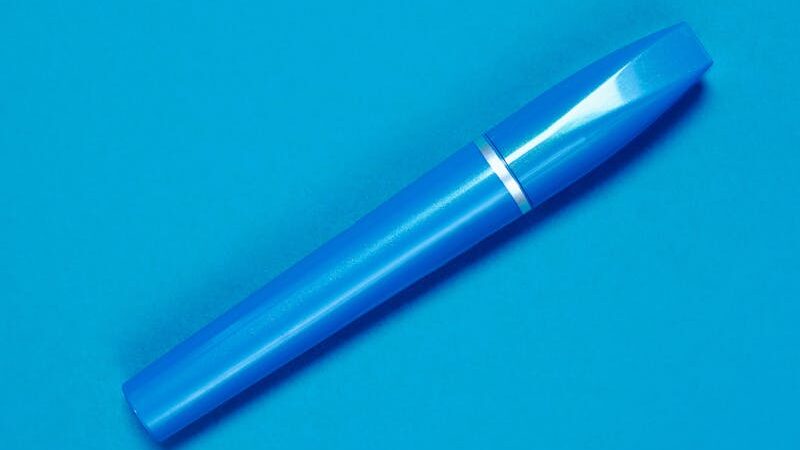
This is a genuinely different category of product from what I’d been using — instead of a pigment-and-wax formula that can flake as it dries, tubing mascara forms small flexible tubes around each lash that hold their shape until removed with warm water specifically (regular makeup remover doesn’t fully take it off, which took some adjusting to). The flaking onto my under-eye area stopped completely, immediately, the first time I used it. I won’t pretend this is for everyone — the removal process is a bit more involved than wiping off regular mascara — but for the specific problem of “small dark flecks under my eyes by midday,” it solved it outright in a way nothing else had.
A Translucent Setting Powder, Applied Under the Eyes
This is the one that’s more about technique than the specific product — a light dusting of translucent powder under the eyes, over concealer, before doing the rest of my makeup. It catches eyeshadow fallout during application (which used to leave its own small mess under my eyes, separate from the creasing and flaking issues) and gets brushed away afterward, taking the fallout with it. It’s a small thing, but it meant I stopped starting the day with a faint dusting of eyeshadow already under my eyes before I’d even left the house.
The Liner Problem I Didn’t Fully “Solve”
I want to be honest about this one, because it’s different from the others. Eyeliner along my lower lash line — specifically on the waterline, the inner rim near the eye itself — has always migrated more than liner on the outer lid, and after looking into why, I think that’s mostly just how that area works. The waterline is right next to a mucous membrane; it’s wet, it moves with every blink, and there isn’t really a stable, dry surface for liner to “set” on the way there is on drier skin elsewhere.
What changed for me here wasn’t really a product — it was deciding that some migration in that specific area is close to inevitable for me, and adjusting where and how much I rely on waterline liner rather than expecting a product to fully overcome it. On days I want a more precise lower lash line, I’ve shifted to lining just below the lash line on the skin, rather than on the waterline itself — which holds up much better, for the same anatomical reasons the waterline doesn’t.
Two Habits I Had to Unlearn
Treating eyelids like an extension of the rest of my face
I used to apply eyeshadow directly onto bare lids the same way I’d apply anything else to bare skin — no separate prep step, on the assumption that if my face skincare and base were fine, my lids would be too. The oil and movement specific to eyelids meant this assumption was wrong in a way that was completely invisible in the moment of application, and only showed up hours later.
Buying a “fix” for each symptom separately
Creasing, smudging, and flaking felt like three different problems for years, because they showed up in three different places and looked different from each other. Stepping back and noticing they all happened around the same time of day was the thing that actually mattered — not because they all had the same single cause (the liner issue turned out to be genuinely different from the other two), but because looking at the whole picture, rather than chasing each symptom individually, was what let me tell the difference between “this needs a different product” (eyeshadow, mascara) and “this needs a different expectation” (waterline liner).
What My Routine Actually Looks Like Now
👁️ Eyes — Prep
e.l.f. Putty Primer on bare lids before any eyeshadow. Concealer under the eyes, set with a light dusting of translucent powder before eyeshadow application begins — catches fallout before it settles.
👁️ Eyes — Finish
Liner on the skin just below the lower lash line rather than the waterline, on days I want it to last. Blinc tubing mascara, removed with warm water at the end of the day — no flaking in between.
Questions I Get Asked a Lot
Do I really need an eyeshadow primer, or is that just an extra product to sell me?
Based on my own before-and-after, for creasing specifically — yes, in my case it was the single biggest factor, more than which eyeshadow I used. If your lids don’t crease the way mine did, you might not need it at all; but if creasing is a recurring issue regardless of which eyeshadow you try, I’d look at prep before assuming the eyeshadow itself is the problem.
What’s the actual difference with tubing mascara?
From what I understand and what I’ve experienced: regular mascara is a pigmented wax or polymer that coats lashes and can flake as it dries and is disturbed throughout the day. Tubing mascara forms a flexible tube around each lash instead, which is why it doesn’t flake the same way — and also why it needs warm water to remove rather than coming off with a normal wipe. For me, the trade-off in removal has been worth it for the flaking issue alone.
Is it normal for eyeliner to smudge under your eyes?
On the waterline specifically, based on what I learned, some migration seems pretty close to expected for a lot of people, due to how that area works anatomically. If it’s bothering you, lining just below the lash line on the skin instead — rather than the waterline itself — held up much better for me, for what it’s worth.
How do I stop eyeshadow fallout from ending up under my eyes?
Setting concealer with a light dusting of translucent powder before doing eye makeup, then brushing it away afterward along with whatever fallout landed on it, has worked well for me. It’s a small extra step, but it meant I stopped needing to clean up under-eye fallout as a separate task after finishing my eye makeup.
The Actual Takeaway
For years, “my eye makeup doesn’t last” felt like three unrelated annoyances that happened to show up around the same time. Once I actually looked at them together instead of separately, two of the three turned out to have a real fix — not a better product in the same category, but a genuinely different tool for the job (primer instead of “better” eyeshadow, tubing instead of “better” mascara). The third turned out to not really be a product problem at all.
If your eye makeup has a similar midday collapse, it might be worth doing the same thing I eventually did almost by accident — checking in on your face more than once during the day, and paying attention to whether the same things go wrong regardless of which products you’re using. That pattern told me more than any individual product review ever did.
Featured product pick
Compare price, availability and product details before buying.
Este conteúdo pode conter links de afiliados. Podemos receber comissão por compras qualificadas, sem custo extra para você.