My Serum Drawer Was a Graveyard
Eleven half-used bottles, three of them barely touched, one that turned a weird orange color. Here’s what I actually learned from all of that — and the handful of serums that survived.
CeraVe Moisturizing Cream
A simple, trusted everyday moisturizer pick for barrier support and dry skin routines.
Check priceAt one point I owned eleven serums. Not eleven I’d tried and replaced over the years — eleven, at the same time, in the same drawer, most of them somewhere between a quarter and three-quarters full. I’d layer three or four of them every night in whatever order felt right, convinced that more actives stacked on top of each other meant faster results.
What I actually got was occasional stinging I assumed was “the actives working,” skin that looked fine but never seemed to improve in any specific way I could point to, and one very memorable morning where I realized the vitamin C serum I’d paid a lot for had turned the color of weak tea and probably hadn’t done anything for weeks. This post is what I wish I’d understood before any of that — not a ranked list of “best serums,” but the actual mess, what I changed, and the few serums that earned a permanent spot.
The Layering Years
I got into serums during a period when it felt like every skincare account online had a seven-step routine, and the “skinimalism” backlash hadn’t quite happened yet. The logic seemed obvious: a cleanser cleans, a moisturizer moisturizes, but serums are where the “real” ingredients live — so more serums should mean more of whatever good things they’re supposed to do.
So I collected them. Vitamin C for brightness, niacinamide for pores, hyaluronic acid for hydration, a retinol alternative for “anti-aging” even though I was in my mid-twenties, and a rotating cast of others depending on what was on sale or trending that month. Most nights involved applying three or four of these, one after another, with roughly zero thought given to whether any of them actually worked well together — or worked against each other.
What I Actually Changed
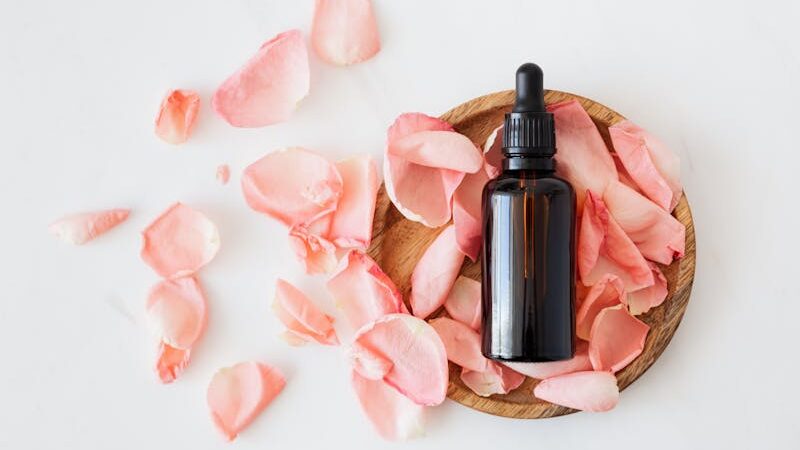
The honest version of what changed is almost embarrassing in how unglamorous it is: I stopped layering multiple serums every night, picked one active to focus on at a time, and started paying attention to packaging and storage — dark glass bottles, lids on tight, not left on a sunny windowsill (which, yes, I had been doing, because it looked nice).
I also started applying things in an order that made sense based on texture — thinnest to thickest — instead of “whichever bottle I grabbed first.” And probably the single biggest change: I stopped expecting to see a result within a week and started thinking in terms of months for anything beyond hydration.
Within about three weeks of simplifying down to one serum at night (plus a hyaluronic acid serum, which I’ll get to), the occasional stinging I’d been having stopped entirely. I genuinely hadn’t connected that sensation to the layering until it was gone.
The Serums That Actually Earned Their Spot
Same disclaimer as always: this isn’t a definitive ranked list. These are the ones that, after all that trial and error, I’ve actually repurchased — because I noticed something specific, or because they solved a problem the others didn’t.
The Ordinary Niacinamide 10% + Zinc 1%
This was the one that made me realize “more serums” wasn’t the answer, mostly because it was the cheapest one in my old rotation and the one I noticed the clearest difference from. Within a few weeks of using it consistently — on its own, not stacked with three other things — my pores looked noticeably less prominent across my nose and cheeks, and I had fewer of the small, under-the-skin bumps I used to get along my jawline. It can feel slightly tacky for a minute or two after application, which used to bother me, but I’ve stopped noticing it.
TruSkin Vitamin C Serum
This is the one that replaced my oxidized graveyard bottle, and the difference in how I use it now is almost more important than the product itself: I keep it somewhere dark, I make sure the cap is on tight, and I actually pay attention to the color. The first time I noticed my vitamin C serum had shifted color and replaced it immediately instead of using it for another month, I could genuinely tell the difference in how my skin looked after a few weeks — slightly more even, a bit brighter in the mornings. Whether that’s the vitamin C itself or just “this bottle is actually still working,” I can’t fully separate, but either way, it’s stayed in my routine.
Neutrogena Hydro Boost Hyaluronic Acid Serum
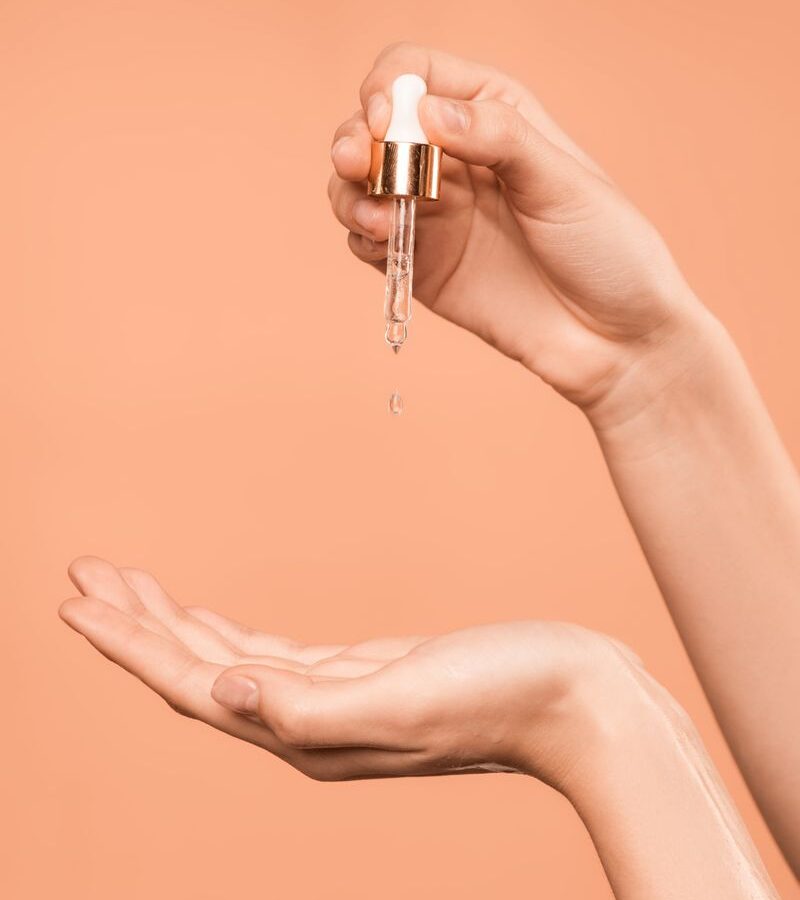
This is the one product from my old eleven-bottle drawer that survived completely unchanged, because it never caused problems — the problem was how I was using it. For a long time I applied it to dry skin, which (I learned later) can actually pull moisture from the skin rather than to it, since hyaluronic acid draws water toward itself from wherever water is available. Now I apply it to slightly damp skin, right after cleansing, before anything else. Same product, completely different result — my skin feels noticeably plumper through the day instead of occasionally tighter than before I started.
The Ordinary Retinol 0.2% in Squalane
I want to be honest about this one because I think the marketing around retinol sets people up for disappointment. I introduced this once a week, at night, exactly as the lowest-frequency recommendation suggests — and for about the first two weeks, my skin looked, if anything, slightly worse. A few small breakouts along my chin that I hadn’t had in a while. I almost gave up on it, assumed it “didn’t agree with my skin,” and nearly added it to the graveyard. I’m glad I didn’t — by week five or six, those breakouts had cleared and my skin looked noticeably smoother in a way that’s hard to describe except that photos taken in harsh light looked better than they used to. It’s slow, and the first few weeks can look like it’s making things worse before it does anything else. I wish someone had told me that clearly instead of “give it time,” which I’d heard so often it had stopped meaning anything.
The Layering Order That Actually Makes Sense
For a long time my “order” was based on which bottle was closest, or which one I’d used most recently and therefore grabbed out of habit. The actual logic — once I bothered to look it up — is simpler than I expected: generally thinnest, most watery textures first, working toward thicker, richer textures, with moisturizer sealing everything in afterward.
In practice, on the nights I use more than one product, that means something like: hyaluronic acid serum on damp skin, wait a minute or so, then whichever treatment serum I’m focusing on (niacinamide most nights, retinol on its designated night), then moisturizer. Vitamin C lives in the morning routine instead, before SPF — partly because of the photoprotection benefit it’s supposed to offer alongside sunscreen, and partly just to keep my evening routine simpler.
Two Habits I Had to Unlearn
Judging a serum within a week
With the partial exception of hyaluronic acid (which can feel different almost immediately, just from hydration), most of what serums are actually doing happens at a cellular level that takes weeks to become visible. I used to give a new serum about five days before deciding it “wasn’t working” and moving on to the next one — which, looking back, meant I never gave almost anything enough time to actually do whatever it does. Switching to a rough rule of “at least four weeks before I even start evaluating, and eight to twelve before I make a real decision” changed how I shop for these completely, mostly by making me buy a lot less.
Treating serums like an optional extra step
For a while, serums were the step I’d skip when I was tired — cleanser, moisturizer, done, “I’ll do the serums tomorrow.” Which meant most of my serums were being used maybe three or four times a week instead of daily, and then I’d wonder why I wasn’t seeing the results other people described. Once I narrowed down to one or two serums I actually wanted to use consistently, fitting them in every night stopped feeling like an extra step and just became part of washing my face.
What My Routine Actually Looks Like Now
☀️ Mornings
Cleanser, then vitamin C serum on dry skin, wait a couple of minutes, then moisturizer, then SPF. The vitamin C is the only “extra” step — everything else is the same three things from my cleanser post.
🌙 Evenings
Cleanser, hyaluronic acid serum on damp skin, then either niacinamide (most nights) or retinol (once or twice a week, never both), then moisturizer. That’s it — no more than two serums, ever, on the same night.
Questions I Get Asked a Lot
How many serums should I actually be using?
Based purely on my own experience — one to two, max, in any given routine. I know that’s a less exciting answer than a list of seven “essential” serums, but going from four-plus down to two was the single change that made the biggest difference, and I don’t think that’s a coincidence.
Is it normal for a vitamin C serum to change color?
Some gradual change can happen even with good storage, but a noticeable shift toward orange, brown, or amber — especially if it happens faster than a few months — usually means it’s oxidizing and losing effectiveness. I check the color of mine every time I pick it up now, which sounds obsessive but takes about two seconds and has saved me from using a “dead” serum for weeks again.
Do I need to apply serums in a specific order?
Roughly thinnest-to-thickest has worked well for me, with a short wait between layers if I’m using more than one. I wouldn’t stress over getting it perfect every single night — the bigger factor, in my experience, was which actives I was combining at all, not the exact order of two compatible ones.
How long before I’ll actually see something from a new serum?
For hydration-focused serums like hyaluronic acid, often within days. For anything aimed at texture, tone, or fine lines — niacinamide, vitamin C, retinol — I’d plan on at least four weeks before expecting to notice anything, and treat eight to twelve weeks as the real test. If I’d known this going in, I would have bought maybe a third of what I actually bought.
The Actual Takeaway
If my old serum drawer could talk, it would mostly just be confused — eleven products, almost all of them probably fine on their own, none of them given a real chance because they were either stacked together, used inconsistently, or quietly going bad in a sunny spot on my shelf. None of the fixes here were about finding better products. They were about using fewer of them, more consistently, and actually paying attention to how they were stored and combined.
If you’ve got a drawer that looks anything like mine used to, it might be worth picking the one or two serums you’re most curious about, putting the rest aside for a month, and seeing what — if anything — you actually notice. It’s a less satisfying shopping list, but it’s the version that’s actually worked.
Featured product pick
Compare price, availability and product details before buying.
Este conteúdo pode conter links de afiliados. Podemos receber comissão por compras qualificadas, sem custo extra para você.