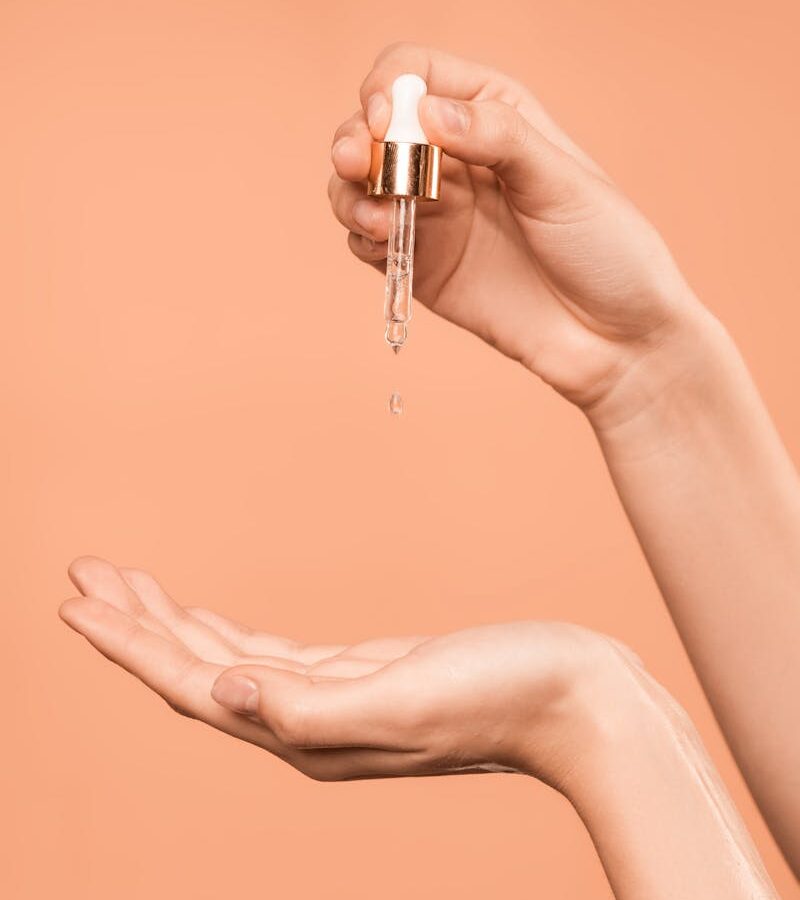
🌟 The Last Beginner Skincare Guide You’ll Ever Need
No chemistry degree. No $500 budget. No twenty products.
Just the right three things, in the right order, done consistently.
Beginner Skincare Routine Set
A simple starter routine idea: gentle cleanser, moisturizer and daily SPF.
Check priceWhy Most Beginners Get Skincare Wrong
The skincare industry is worth over $180 billion globally — and a significant portion of that revenue comes from beginners who don’t yet know enough to buy confidently. The result is predictable: overwhelmed by options, beginners either buy too much (ten products that conflict with each other) or buy wrong (the most-marketed product rather than the most-appropriate one).
Both outcomes produce the same result: confusion, irritation, wasted money, and the lingering suspicion that skincare just doesn’t work for them. It does. It just needs to start in the right place.
Step 1 — Know Your Skin Type
Step 1 — Know Your Skin Type
Wash your face with a gentle cleanser, pat dry, apply nothing, and wait 30 minutes. Then observe. What you see and feel tells you everything.
🔍 The 30-Minute Bare Face Test
Dry Skin
Feels tight or uncomfortable. May flake. Looks dull. No shine anywhere.
Oily Skin
Shiny all over — forehead, nose AND cheeks. Feels slick. Enlarged pores.
Combination
Shiny T-zone but normal or dry cheeks. The most common skin type.
Normal
Neither tight nor shiny. Comfortable and balanced. The rarest type.
Sensitive
Redness, stinging or burning during the wait. Reacts to many products.
Step 2 — Understand Your Skin
Step 2 — Understand What Your Skin Actually Is
Knowing what you’re applying products to changes how you choose them. Your skin is not a simple surface — it’s a layered organ, and products interact with different layers in different ways.
The Structure of Your Skin — Surface to Depth
Understanding which layer your product targets tells you what to expect — and when.
Step 3 — The Three Products
Step 3 — The Three Products That Are All You Need
Every dermatologist agrees on a foundation of three products. Everything beyond this addresses a specific concern. These three, used consistently, improve almost every skin type measurably within 4–8 weeks.
Cleanser — Remove. Don’t Strip.
Removes excess oil, pollution, product residue and dead cells. A good cleanser leaves skin feeling comfortable: not tight, not squeaky. If it feels like it ‘cleaned deeply,’ it stripped your barrier instead.
💡 A disrupted acid mantle makes every other product less effective and your skin more reactive.
Moisturizer — Hydrate. Protect. Repair.
Provides the three moisturizing elements your skin needs: humectants (draw water in), emollients (smooth the barrier), and occlusives (seal moisture in). Every skin type needs moisturizer — including oily skin.
💡 Without moisture, the barrier weakens, producing more oil, more sensitivity, and more inflammation.
SPF — Protect. Every. Single. Morning.
Broad-spectrum SPF 30 or higher, every morning. UV radiation is responsible for 80% of visible skin aging. No serum or treatment produces equivalent results to consistent daily SPF.
💡 Prevention is more powerful than treatment. The photoaging you prevent today cannot be reversed tomorrow.
Formula Guide
The Right Formula for Every Skin Type
Use this table to identify what to look for on the label before buying anything:
| Skin Type | Cleanser | Moisturizer | SPF |
|---|---|---|---|
| 💧 Dry | Cream or lotion — no foam | Rich cream with ceramides and HA | Hydrating base, avoid alcohol |
| ✨ Oily | Gentle gel or light foam, sulfate-free | Gel or gel-cream, oil-free | Oil-free, dry-touch finish |
| 🌗 Combination | Gentle gel, sulfate-free | Lightweight gel-cream | Light, non-comedogenic formula |
| ⚖️ Normal | Any gentle formula | Lotion or light cream | Any broad-spectrum SPF 30+ |
| 🌹 Sensitive | Fragrance-free cream, minimal ingredients | Ceramide-based, fragrance-free | Mineral zinc oxide, fragrance-free |
Your Daily Routine
The Starter Routine — Step by Step
Morning Routine
Rinse or cleanse with lukewarm water
Pat skin dry gently, never rub
Apply moisturizer to slightly damp skin
Wait 60 seconds
Apply SPF generously, always last
Evening Routine
Cleanse thoroughly to remove SPF and makeup
Pat skin dry gently
Apply moisturizer to slightly damp skin
Apply lip balm as the very last step
Recommended Products
The Best Products for Beginners
Cleansers

CeraVe Hydrating Facial Cleanser
Ceramides + Hyaluronic Acid · Cream formula · Fragrance-free · Maintains the barrier without stripping
CeraVe Foaming Facial Cleanser
Niacinamide + Ceramides · Gel-foam texture · Removes excess oil while preserving barrier integrity
Moisturizers
CeraVe Moisturizing Cream
3 Essential Ceramides + Hyaluronic Acid · Fragrance-free · MVE slow-release technology · Face and body

Neutrogena Hydro Boost Water Gel
Hyaluronic Acid · Oil-free gel formula · Absorbs instantly · Non-comedogenic

La Roche-Posay Toleriane Double Repair
Prebiotic Thermal Water + Ceramides + Niacinamide · Fragrance-free · Minimal reaction risk
Sunscreens

EltaMD UV Clear Broad-Spectrum SPF 46
Niacinamide · No white cast · Oil-free · Wears under makeup · Most-recommended by dermatologists

Neutrogena Ultra Sheer Dry-Touch SPF 100+
Dry-touch finish · Safety margin for under-appliers · Widely available · Great for oily skin
Budget Guide
What Different Budgets Get You
Starter
CeraVe Moisturizing Cream — $18
Neutrogena SPF 100+, $12
Complete. Effective. Enough.
Mid Range
CeraVe Moisturizer — $18
The Ordinary Niacinamide — $7
EltaMD UV Clear — $39
Foundation + First Active
Full Routine
TruSkin Vitamin C — $20
The Ordinary Retinol — $8
La Roche-Posay Moisturizer — $22
EltaMD UV Clear — $39
Complete Evidence-Based Stack
Ingredient Guide
The 10 Ingredients You’ll See Everywhere
Ingredient lists look intimidating until you know the ten ingredients that appear in almost everything. Learn these and you can read any label.
Myth Busters
Myths You’ve Been Told That Aren’t True
“Oily skin doesn’t need moisturizer”
Oily skin produces excess sebum, not excess hydration. Skipping moisturizer causes dehydration — which triggers even more sebum production as compensation. Use a lightweight gel formula.
“Natural ingredients are always safer”
Essential oils, citrus extracts, and many plant-derived ingredients are among the most common contact sensitizers. ‘Natural’ and ‘safe’ are not synonymous.
“Expensive products work better”
The actives in a well-formulated drugstore moisturizer are often clinically comparable to products at 10× the price. Above a threshold, you’re paying for packaging — not results.
“Tightness after cleansing means it’s clean”
Tightness means your cleanser stripped the acid mantle. It is a sign of barrier damage, not cleanliness. Switch to a gentler formula that leaves skin feeling comfortable.
“I don’t need SPF on cloudy days”
Up to 80% of UV radiation penetrates cloud cover. UVA — the primary aging radiation — also penetrates glass, so window-adjacent skin accumulates damage year-round.
“My skin got used to the product — it stopped working”
Products don’t stop working because skin adapts. If results have plateaued, either the concern has improved as much as possible, or you need a higher concentration.
“SPF is the most anti-aging product available”
Genuinely true. A landmark Australian study found zero measurable increase in skin aging in daily sunscreen users over 4+ years. No serum produces equivalent long-term results.
“You can use too many actives at once”
Combining retinol, AHA, BHA, and vitamin C simultaneously produces more irritation and barrier disruption than using one well-chosen active consistently for 12 weeks.
Your 12-Week Plan
Your First 12 Weeks — A Realistic Timeline
Barrier Stabilization
Some people notice immediate improvement in hydration and comfort. Others see a brief dull period. Both are normal. Stick to cleanser + moisturizer + SPF only. No new products yet.
Texture and Hydration Improve
Most people notice improved texture and hydration. Skin feels more comfortable throughout the day. The barrier is beginning to function properly after years of potential over-cleansing or wrong products.
Your First Treatment Step
With a stable foundation, introduce ONE active for your primary concern. Niacinamide for oiliness. Vitamin C for brightening. Retinol for anti-aging. Start every other day — observe for 2 weeks before increasing frequency.
Results Become Clearly Visible
By 8–12 weeks of consistent use, most people see measurable changes. This is exactly when most beginners incorrectly switch products — just as they’re starting to work. Stay the course.
Optimize and Upgrade
Increase active concentration if results have plateaued. Consider adding a second complementary active on alternate nights. You are now thinking like an intermediate skincare user.
How to Read a Label
How to Read a Skincare Label in 30 Seconds
Ingredient lists are organized by concentration — highest to lowest. The first five ingredients make up the majority of the formula. Use this four-step check before buying anything:
Application Techniques
Application Techniques That Change Results
The same product applied differently produces meaningfully different results. These are rarely taught but consistently make a visible difference:
Apply to Damp Skin
Apply moisturizer within 60 seconds of cleansing while skin is still slightly damp. This traps moisture and improves hydration retention by 30–40% compared to dry application.
Use Enough Product
SPF requires ¼ teaspoon for the face. Moisturizer requires a full teaspoon for face and neck. Most people apply 20–50% of the required amount and wonder why results disappoint.
Pat, Don’t Rub
Pat skincare into the skin with fingertips rather than rubbing or dragging. Rubbing creates friction that stretches skin over time and causes irritation on reactive skin types.
Wait Between Steps
60 seconds between serum and moisturizer, 60 seconds between moisturizer and SPF. Each layer needs to begin absorbing before the next creates a partial barrier over it.
Use Lukewarm Water
Hot water strips the lipid layer holding ceramides in place and worsens redness. Lukewarm — not cold, not hot — preserves the barrier every time you cleanse.
Include Your Neck
The neck has fewer sebaceous glands than the face and thins faster with age. Apply every product you use on your face down to your neck and décolletage — every single time.
When to See a Dermatologist
When to See a Dermatologist
Skincare is powerful — but it has clear limitations. These situations require professional evaluation, not more OTC products:
Master Checklist
The Complete Beginner Checklist
✅ Do First — Foundation
- Know your skin type
- Choose the right cleanser formula
- Choose the right moisturizer formula
- Apply SPF every morning — no exceptions
- Use lukewarm water only
- Pat dry, never rub
- Apply to slightly damp skin
- Include neck and décolletage
⏳ After Week 4 — Add Slowly
- Choose ONE active for your concern
- Start at the lowest frequency
- Never skip morning SPF with actives
- No retinol + AHA on the same night
- Give 12 weeks before judging
- Track results with monthly photos
❌ Never Do
Featured product pick
Compare price, availability and product details before buying.
Este conteúdo pode conter links de afiliados. Podemos receber comissão por compras qualificadas, sem custo extra para você.